Whether you have asbestos roofing sheets, old wall panels, damaged cement materials, or waste from a renovation project, understanding the correct disposal process is essential. Asbestos must be handled carefully to minimise fibre release and protect people and the surrounding environment. Our team can help you understand your disposal options, applicable requirements, and the next steps for your property. Contact Pro Asbestos Clear to discuss your asbestos waste disposal needs and request a tailored quote.
Asbestos waste can arise during building renovations, property upgrades, demolition, and the removal of older structures. Common examples include asbestos cement roofing, wall cladding, fencing, eaves, and other building materials. Incorrect handling or disposal can expose people to hazardous fibres and create contamination risks. Pro Asbestos Clear helps Sydney property owners understand the requirements for managing asbestos waste. Depending on the material and project, appropriate arrangements may include secure packaging, suitable transport, and disposal at a facility authorised to accept asbestos. We recognise the importance of following applicable NSW requirements and taking appropriate precautions throughout the process.



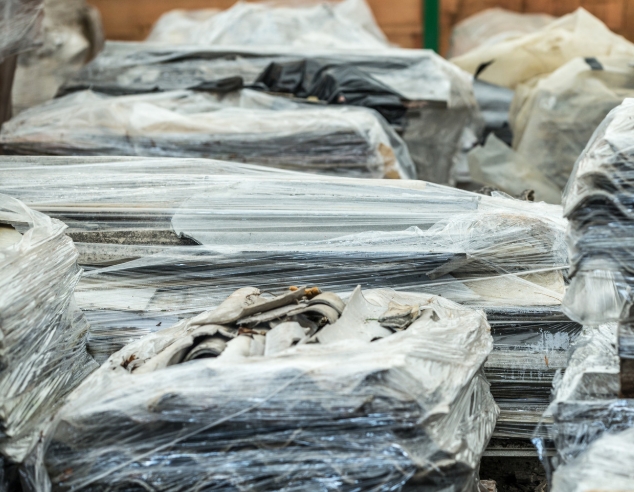
Asbestos-containing materials should never be treated like ordinary household or construction rubbish. Breaking, cutting, or mishandling these materials can release fibres that may remain airborne and pose serious health risks when inhaled. Whether asbestos waste comes from a garage renovation, an old shed, damaged roofing, or a commercial building project, the disposal process needs careful planning. Pro Asbestos Clear helps property owners explore appropriate waste management options and understand the steps involved. Arranging suitable disposal can help prevent uncontrolled handling, reduce exposure risks, and support a cleaner, safer property environment.
We help property owners understand asbestos disposal requirements and identify suitable options for their circumstances.
Our services cater to asbestos waste management needs associated with homes, garages, sheds, commercial premises, and other properties.
We recognise the importance of minimising disturbance and using suitable precautions when managing asbestos-containing materials.
Waste quantities, material condition, access, and transport requirements can vary. We consider these factors when discussing suitable arrangements.
Asbestos waste must be appropriately contained, transported, and delivered to an authorised facility that accepts the relevant material.
Disposal costs depend on waste volume, asbestos type, packaging, collection requirements, transport distance, and facility fees.
Asbestos waste must be taken to a facility authorised to accept the relevant type of asbestos. Acceptance conditions, packaging requirements, and fees vary between facilities. Check the NSW Environment Protection Authority guidance or contact the receiving facility before arranging transport.
No. Asbestos should not be placed in an ordinary skip bin or mixed with general building waste. It requires appropriate containment, transport, and disposal arrangements. Speak with a suitable asbestos waste provider before organising a bin or waste collection.
Costs depend on the quantity and type of asbestos, packaging requirements, collection arrangements, transport distance, and disposal facility charges. If removal or specialist handling is also needed, additional fees may apply. Request a quote based on your waste and site conditions.
Asbestos waste generally needs to be appropriately packaged and contained to prevent fibre release during handling and transport. Specific requirements depend on the material and applicable regulations. Avoid handling or repackaging suspected asbestos yourself unless you are competent and legally permitted to do so.
Not every waste facility accepts asbestos. Some facilities accept particular types of asbestos waste only under specific conditions, including advance notification and prescribed packaging. Confirm acceptance requirements directly with the facility before transporting any material.
Avoid touching, moving, breaking, or sweeping suspected asbestos debris. Keep children and pets away from the area and seek advice from a qualified asbestos professional about assessment, containment, and appropriate disposal. If the material has been damaged, avoid activities that could spread dust or fibres.